
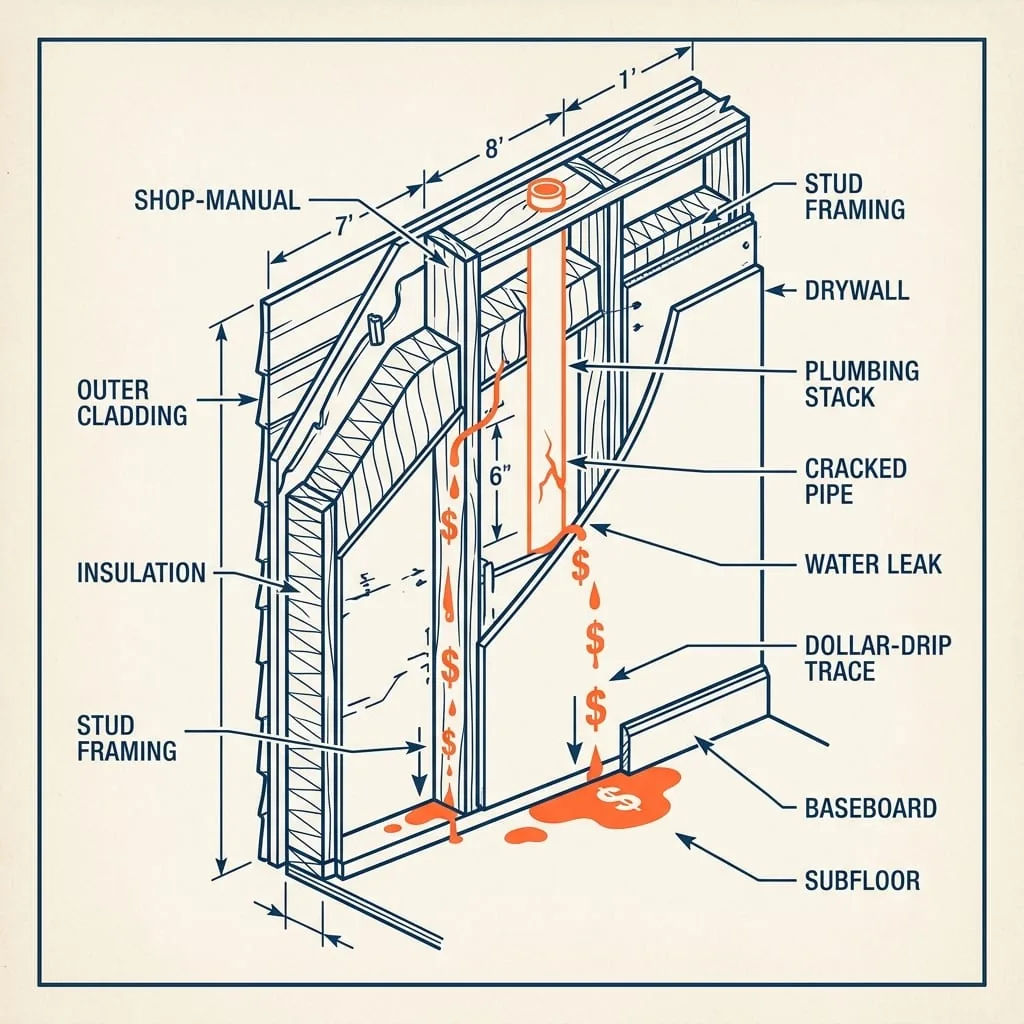
You already know how a job gets built. A solid foundation. Good tools. No shortcut that costs double later. One task at a time until the big job is done. Money advice rarely speaks that language, so Tools & Trades Money does: three short books and a free set of calculators, written in the language of the trades.
Who it is for
Electricians, plumbers, welders, mechanics, carpenters, and everyone else who makes a living with their hands. Union or not. W-2 or 1099. Year-round or seasonal. The reader is good at the work and has never been handed a plain explanation of what to do with what it pays.
It is not for anyone looking for a hot tip. There are none in it.
The gap nobody filled
A trade teaches the work. It rarely teaches the money, and most money advice assumes a steady salary and a desk. A trade paycheck does not behave like that.
- The income moves. Overtime fattens one check and a layoff season empties the next. A budget built on your average breaks in your worst month, so the Worst-Month Budget starts from your floor instead.
- The debt is easy to take on. A tool-truck payment is small every week. A truck payment can quietly become the biggest line in the budget. Both get a chapter.
- The slow months are predictable. Seasonal work is feast and famine, and the plan has to say what the feast is for.
- Retirement is a decision, not a default. Pension elections, a union plan, a 1099 with no plan at all, and a body that has to last as long as the plan does.
Three books, one ladder
Apprentice, Journeyman, Master. The same ladder as the trade, so each volume assumes you finished the one before it. Every chapter is built like a work order: the call, the diagnosis, the fix, the math, and a punch list for today, this week and this month. A chapter takes about fifteen minutes. Read the one you need, then do one thing before the end of the shift. Any word that needs translating is marked and explained in a plain-talk glossary at the back.
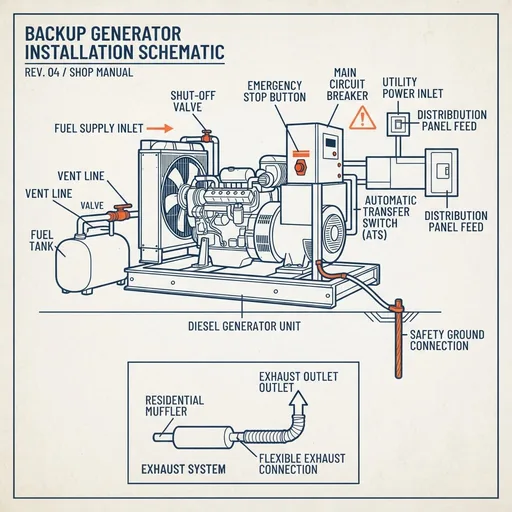
Volume 1: Apprentice, Stop Going Broke
The book about the leaks. Pay yourself first with the 10/20/30 system, then plug the big three: trucks, tools and toys. The Tool Truck Trap gets a chapter of its own. You build the Backup Generator, the emergency fund that holds when the hours get cut, and you put your money on the clock. It closes with the rules for your first five years in the trade and how to protect what you have built.
Eight chapters. $12.
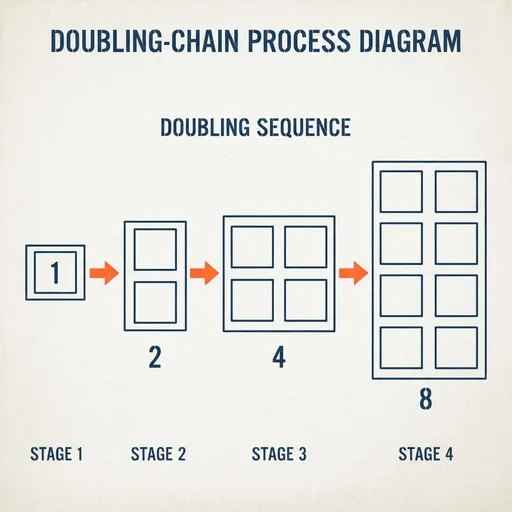
Volume 2: Journeyman, Make Your Money Work Overtime
The book about letting money do the work. The snowball effect, your investment tool store, and retirement as a plan rather than a dream. It covers the union advantage, feast-and-famine money for seasonal work, getting your family on the crew, and a head start for the kids without the spoiling.
Nine chapters. $12.
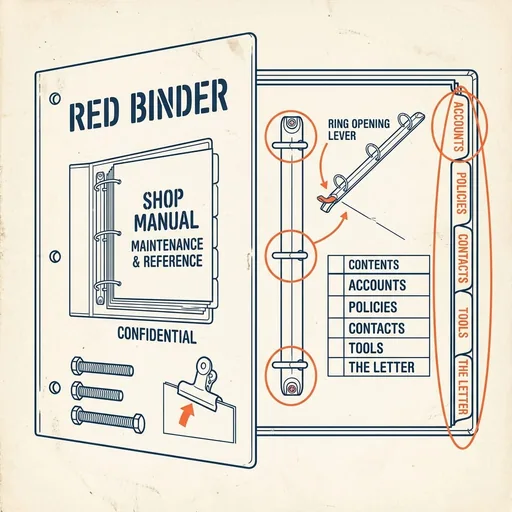
Volume 3: Master, Own the Job
The book for the general’s seat. Side work that pays twice, and the money rules that change when you are 1099 or the boss. Real estate for people who can actually fix a roof. What to do when the body breaks: injury, comp and protecting a career with years of wear on it. Then the exit, retiring when you decide, and leaving more than a toolbox. Several of these topics change by state. The book says so and points you to a licensed professional.
Six chapters. $12.
All three together, the Full Stack, are $27 instead of $36. The Field Guide Workbook is $19: a print-at-home, pencil-and-paper companion to all three volumes, with worksheets, checklists and the worst-month budget grid, sized for a clipboard.
The free toolbox
Eleven calculators, free, with no email wall. Each one is built for the job site: usable one-handed, on a phone, before the coffee gets cold. Nothing you type is stored. It all runs in your browser.
- The Truck Spread. The truck you want against the truck you’d settle for: the gap between the two payments, and what it builds if it goes on the clock instead. It is not all or nothing; every step down is shown.
- Compound. A monthly amount and a number of years, with what you put in and what the market adds shown apart.
- The Backup Generator. An emergency fund sized to W-2, seasonal or 1099 work, and how long it takes to fill.
- Savings Rate. Your share of gross pay that goes to work for you, read against the 10/20/30 bands.
- The Stack Checker. Seven questions in order, then where your stack stands and the chapter that covers the next step.
- The Worst-Month Budget. A budget that holds when the hours get cut.
- Raise vs. Side Work. Which dollar is worth more after taxes.
- Overtime Take-Home. What a Saturday pays after taxes, and the 0/25/75 split.
- The Debt Teardown. The two common payoff orders, side by side.
- Net Worth. What you own minus what you owe. No targets, no benchmarks.
- Retirement Needs and the Bridge. The nest egg you will need, and the years before a pension or Social Security starts.
Every projection runs on one stated assumption, a 7% average annual return compounded monthly, and says in plain words that it is an illustration, not a prediction or a promise. A five-question quiz, about a minute long, points you to the volume to start with. The result shows before it asks for an email.
Free downloads
Four printable PDFs, made to be taped inside the gang box or folded into a wallet:
- The 90-Day Punch List. What to fix first, second and third, on one page.
- The Worst-Month Budget Worksheet. The budget tool, on paper.
- The Tool Truck True-Cost Card. A wallet card with the real price of a weekly payment, the four-check Tool Truck Test and a cash-only line for the truck steps.
- The Job Site Audit Pack. Worksheets for running your own numbers.
Each one downloads the moment you ask for it, and a copy lands in your inbox.
How it is written
Plain language: no jargon without a translation, and no math without the work shown. The examples use round numbers and one assumed return, stated every time, and the books say that markets lose money some years. The people in the stories are composites, real patterns and not real names. Company and product names are examples, not endorsements, and nobody paid to be in them.
The books also say how they were made: drafting and editing were AI-assisted, the frameworks and every final call are the author’s, and every number was checked by a human before it shipped.
Education, not advice
Tools & Trades Money is education. It is not personal financial, investment, tax, legal or insurance advice, so before any big move, run it past a licensed professional who can see your situation.